News & Events

Stay up to date with the latest research, events, and announcements from the History, Conservation & Management Cluster.

Federal University of Uberlandia Professors meet HCM Cluster members at University of Bath
Cluster News

Brazilian Researchers Visit the University of Bath to Explore Future Collaboration

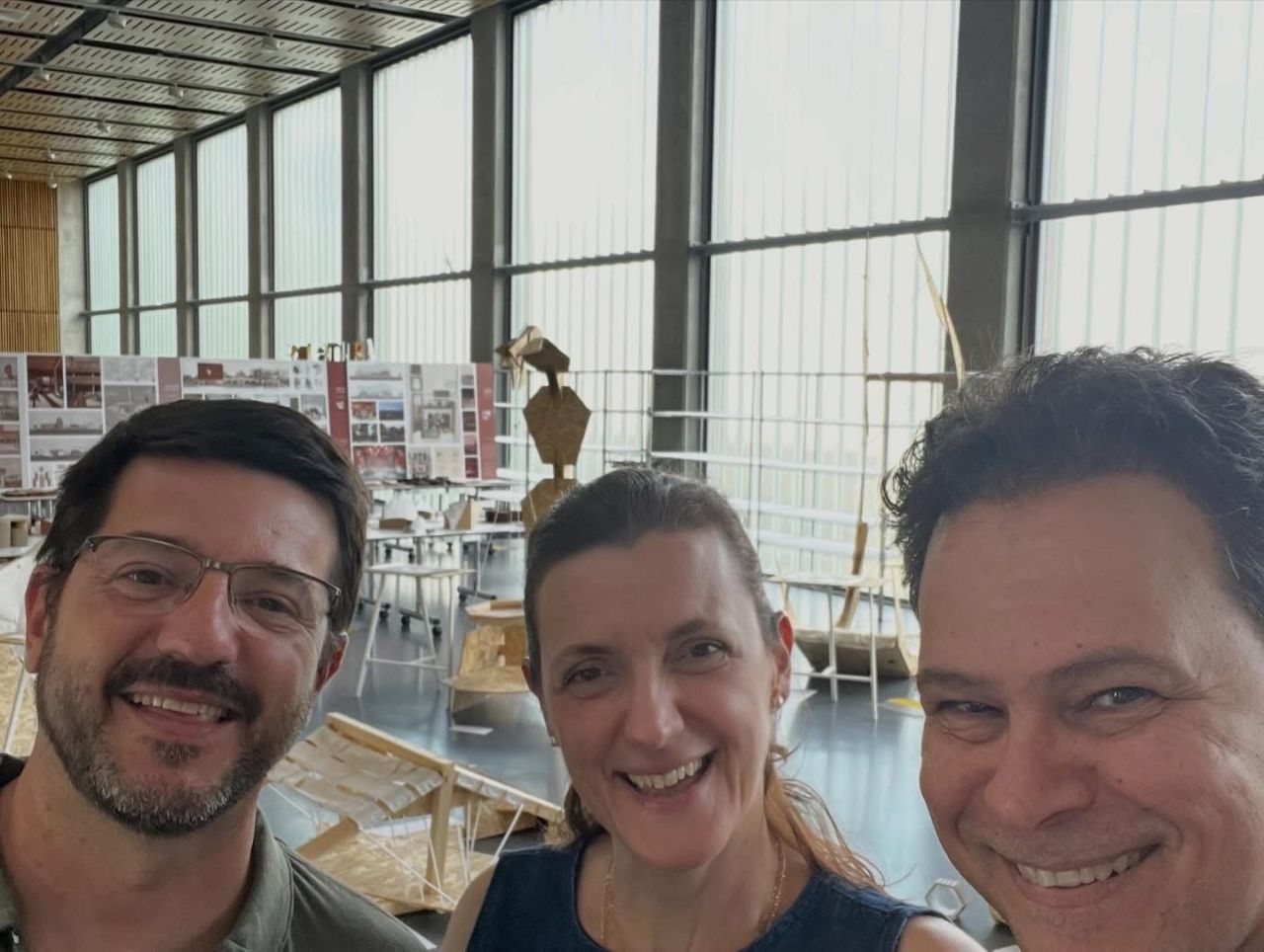
On Friday 26 June 2026, the History, Conservation and Management Cluster (HCMC) welcomed Professor Simone Barbosa Villa and Professor Fernando Fagundes Ferreira from the Federal University of UberlΓ’ndia (UFU), Brazil to the University of Bath.

During the visit, HCMC Cluster Co-Leaders Dr Alejandro JimΓ©nez Rios and Dr Ricardo Codinhoto met with the visitors to discuss opportunities for future research collaboration between the University of Bath and UFU. The meeting provided an excellent opportunity to exchange ideas on interdisciplinary research, identify complementary expertise, and explore potential joint projects and funding opportunities.

A particular highlight of the visit was learning more about MORA - Housing Research, an internationally recognised research group founded and coordinated by Professor Simone Villa at UFU. Established in 2009, MORA brings together researchers from architecture, design, geography, and computer science to improve housing quality through interdisciplinary research. Its work focuses on social housing, building performance, resilience and adaptability, post-occupancy evaluation, and the development of innovative digital tools to support evidence-based design and decision-making. The group has produced a significant portfolio of research outputs and has generated measurable societal impact through collaboration with communities and public organisations.

Professor Fernando Fagundes Ferreira shared insights from his research on urban systems, digital technologies, and data-driven approaches for understanding the built environment, highlighting further opportunities for collaboration in areas that intersect with the HCMC's interests in heritage, digital innovation, and sustainable development.

The HCMC Cluster looks forward to building on this visit and developing a long-term partnership with colleagues at the Federal University of UberlΓ’ndia, strengthening international collaboration in research and education for a more sustainable and resilient built environment.
Brunel Other Bridge HCM Cluster
Cluster News

University of Bath ACE Lecturer and HCM Cluster Member Helps a Campaign to Preserve Important Local Engineering Heritage

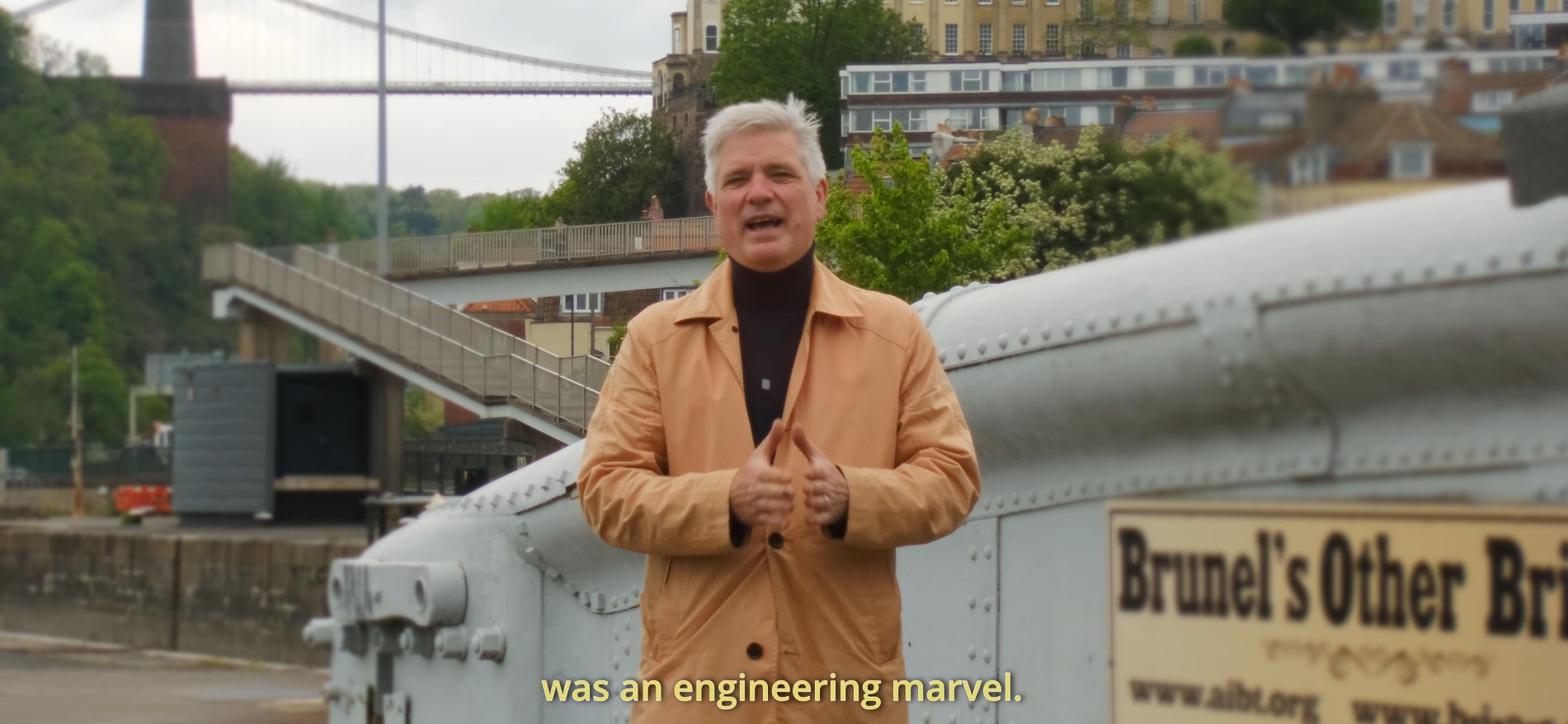
Dr Jonathan Foyle recently harnessed Conservation teaching with media experience in scripting and presenting a short film to assist the Brunel Swing Bridge Group in Bristol, which is engaged in rescuing an overlooked and decaying masterpiece by Isambard Kingdom Brunel. The Group is led by the career engineer and Bath visiting external lecturer Geoff Wallis. Recently, the campaign received a Β£1 million donation from an individual philanthropist that covers half of its fundraising target. This film was made to support fundraising momentum by raising broader public appreciation for this marvel of engineering heritage and restore it for public use for recreation as well as historic interest.

RENEW Conference 2026
Cluster News

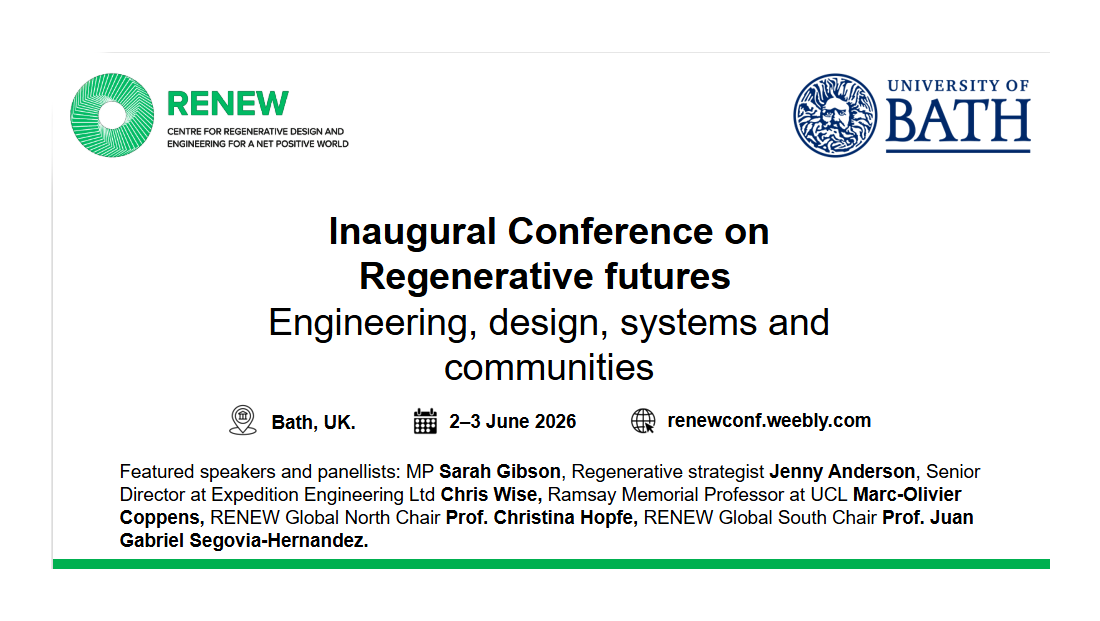
RENEW Conference 2026 Brings Regenerative Futures to the University of Bath

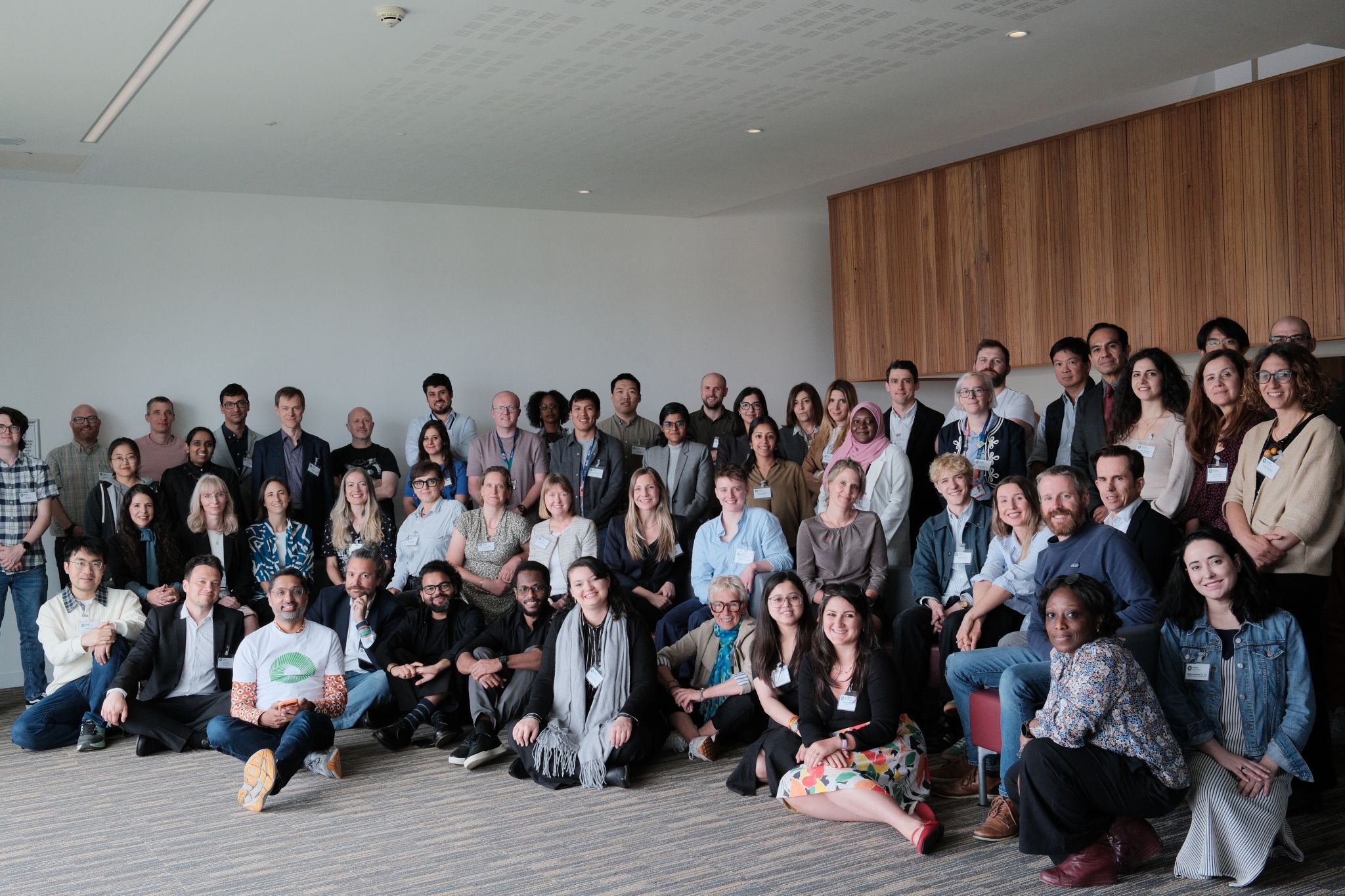
The inaugural RENEW Conference 2026: Regenerative Futures - Engineering, Design, Systems and Communities took place at the University of Bath on 2 and 3 June 2026, bringing together academics, practitioners, policymakers, and students to explore innovative approaches to regenerative design and engineering.

Organised by The Centre for Regenerative Design & Engineering (RENEW), the conference provided a platform for interdisciplinary dialogue on how engineering, architecture, materials, infrastructure, and communities can move beyond sustainability towards regenerative solutions that create positive environmental and societal impacts.

The programme featured keynote presentations, panel discussions, flash talks, posters, and networking opportunities, with contributions from leading researchers and industry professionals from across the UK and internationally. Topics ranged from regenerative building design and circular materials to climate resilience, heritage, and community-centred approaches to the built environment.

Several members of the History, Conservation and Management Cluster participated in the conference. Dr Kemi Adeyeye acted as conference chair and Dr Alejandro JimΓ©nez Rios chaired a session on Regenerative Principles and Practices. They both, as well as Dr Robert Proctor, were also part of the conference Scientific Committee.

The conference highlighted the growing importance of regenerative thinking in addressing contemporary environmental and societal challenges and fostered valuable opportunities for future collaboration across disciplines and sectors.

Ricardo Visiting USP
Cluster News

University of Bath Researchers Strengthen UK-Brazil Collaboration on AI and Digital Twins for Modernist Heritage Buildings

Dr Ricardo Codinhoto and Professor Paul Shepherd from the University of Bath recently visited Brazil as part of an international research collaboration exploring the use of Digital Twins, Artificial Intelligence and human-in-the-loop approaches to support the conservation and environmental performance of modernist heritage architecture.

The visit included research meetings, workshops and technical discussions with collaborators from the University of SΓ£o Paulo (USP SΓ£o Carlos), SΓ£o Paulo State University (UNESP), University of Campinas (UNICAMP), Federal University of SΓ£o Carlos (UFSCar), Federal Institute of SΓ£o Paulo (IFSP), and Federal University of Jequitinhonha and Mucuri Valleys (UFVJM).

The collaboration focused on the development of AI-enabled Digital Twin frameworks for modernist buildings, combining expertise in architecture, engineering, sustainability, sensing technologies and computational design. The project aims to advance new approaches for monitoring, managing and improving the environmental performance of listed and historically significant buildings while maintaining human-centred decision-making in the conservation process.

This interdisciplinary project brings together researchers from architecture, heritage conservation, civil and environmental engineering, computer science, artificial intelligence, digital fabrication, computational design, facilities management and building performance analysis, highlighting the growing importance of cross-disciplinary collaboration in addressing the future challenges of sustainable heritage management.

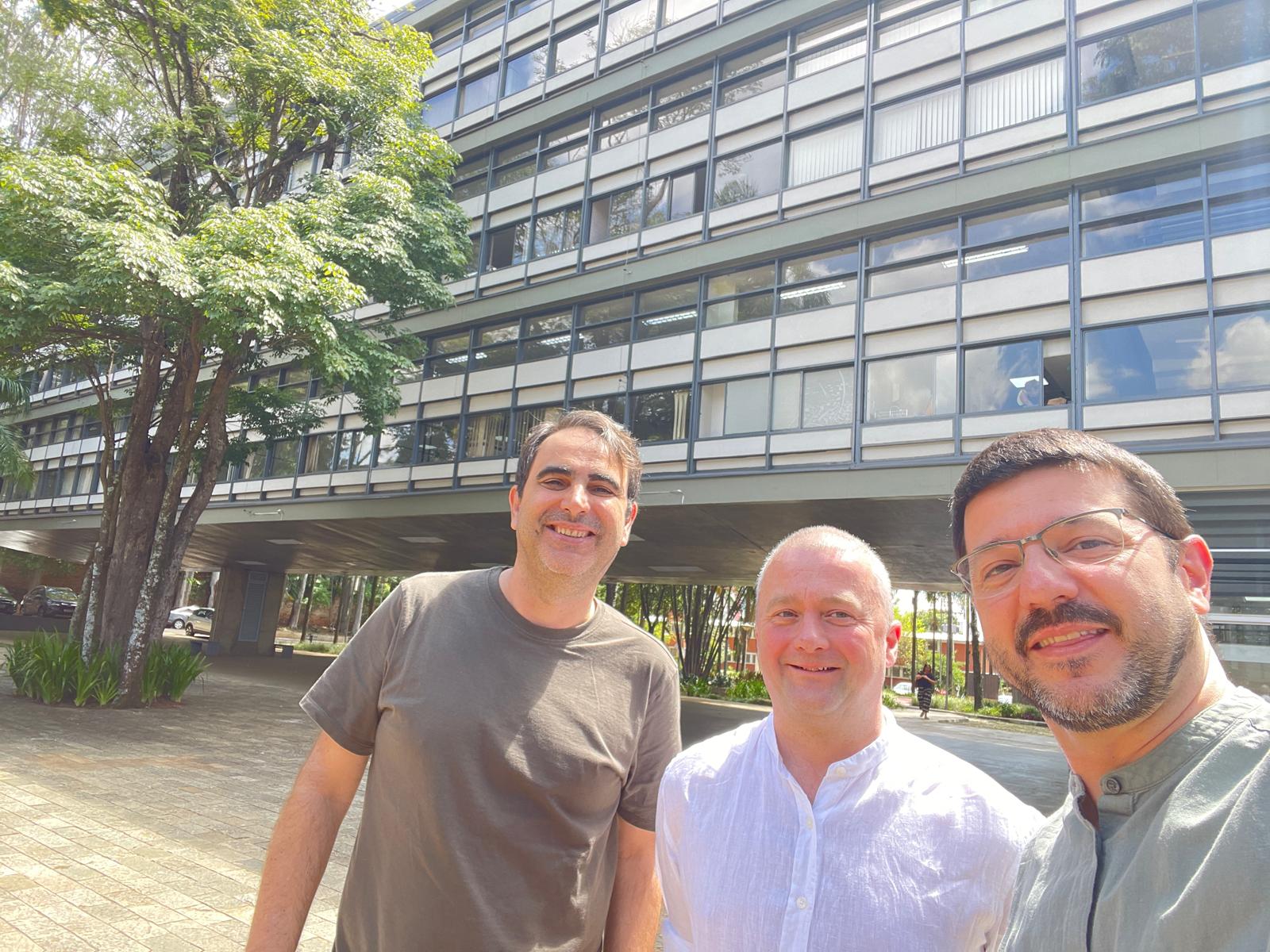
In the photo, Professor MΓ‘rcio Minto Fabricio, Professor Paul Shepherd and Dr Ricardo Codinhoto stand in front of Building One at the University of SΓ£o Paulo, an important example of Brazilian modernist academic architecture. Designed during the expansion of the SΓ£o Carlos engineering campus, the building is recognised for its elevated pilotis structure, climatic responsiveness and rational modernist language, making it a significant case study for the project’s research on Digital Twins, AI-assisted building management and the environmental performance of modernist heritage buildings.

Anais paper published at The Historic Environment: Policy & Practice
Publications

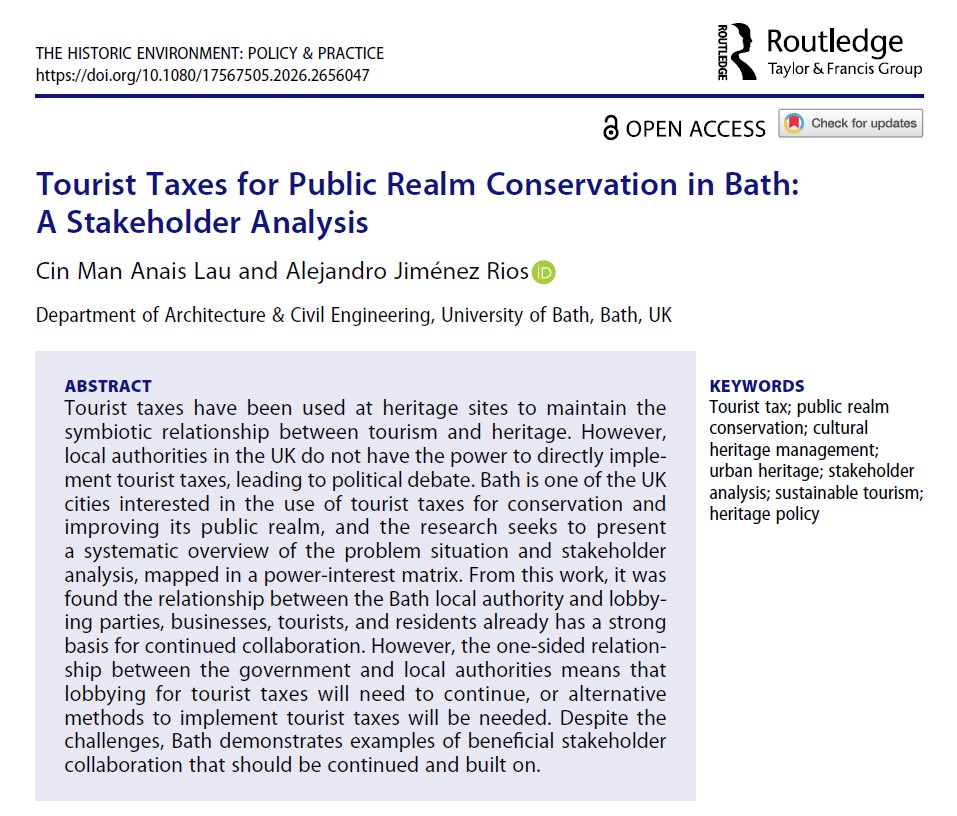
Tourist Taxes for Public Realm Conservation in Bath: A Stakeholder Analysis

Anais Lau, an alumni of the MSc in Conservation of Historic Buildings under the supervision of Dr Alejandro JimΓ©nez Rios got her Dissertation work published at The Historic Environment: Policy & Practice journal.

Tourist taxes have been used at heritage sites to maintain the symbiotic relationship between tourism and heritage. However, local authorities in the UK do not have the power to directly implement tourist taxes, leading to political debate. Bath is one of the UK cities interested in the use of tourist taxes for conservation and improving its public realm, and the research seeks to present a systematic overview of the problem situation and stakeholder analysis, mapped in a power-interest matrix. From this work, it was found the relationship between the Bath local authority and lobbying parties, businesses, tourists, and residents already has a strong basis for continued collaboration. However, the one-sided relationship between the government and local authorities means that lobbying for tourist taxes will need to continue, or alternative methods to implement tourist taxes will be needed. Despite the challenges, Bath demonstrates examples of beneficial stakeholder collaboration that should be continued and built on.

Full article

Stay Connected

Follow us on LinkedIn for real-time updates on cluster news, events, and new research outputs.